The Road That Transforms Us
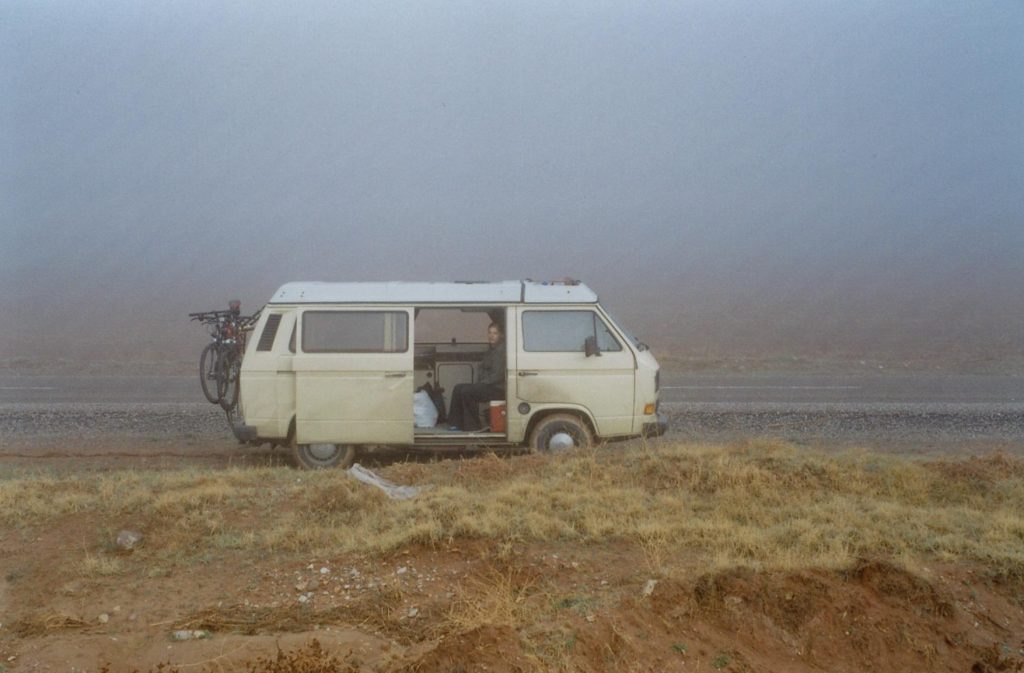
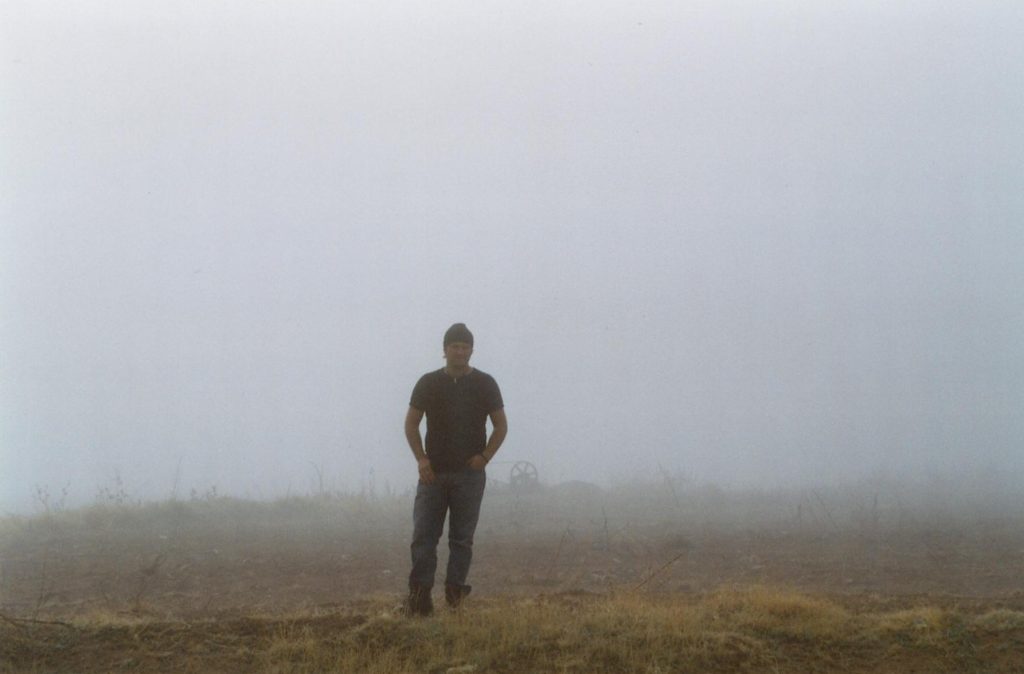
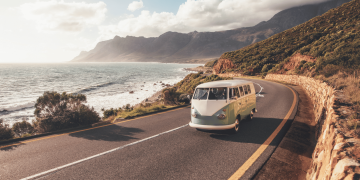
The fog that morning wasn’t just a curtain draped over the road—it was the kind of fog that lives inside you when you don’t know where you’re headed. Thick. Suffocating. Heavy. It clung to the world, muting the trees, the fields, and even the sound of the van’s tires on the wet asphalt. Somewhere beyond the gray haze was a destination, but in that moment, it felt distant, like a dream half-forgotten by morning.
Travel does that to you. You think you’re setting off to see the world, to fill your senses with sights and smells you’ve only read about in books. But the truth is, the world has no obligation to entertain you, no obligation to make its mysteries digestible. What it offers instead is a mirror—one that reflects back your strengths, your fears, and the truths you’ve buried so deep that only the road can unearth them.
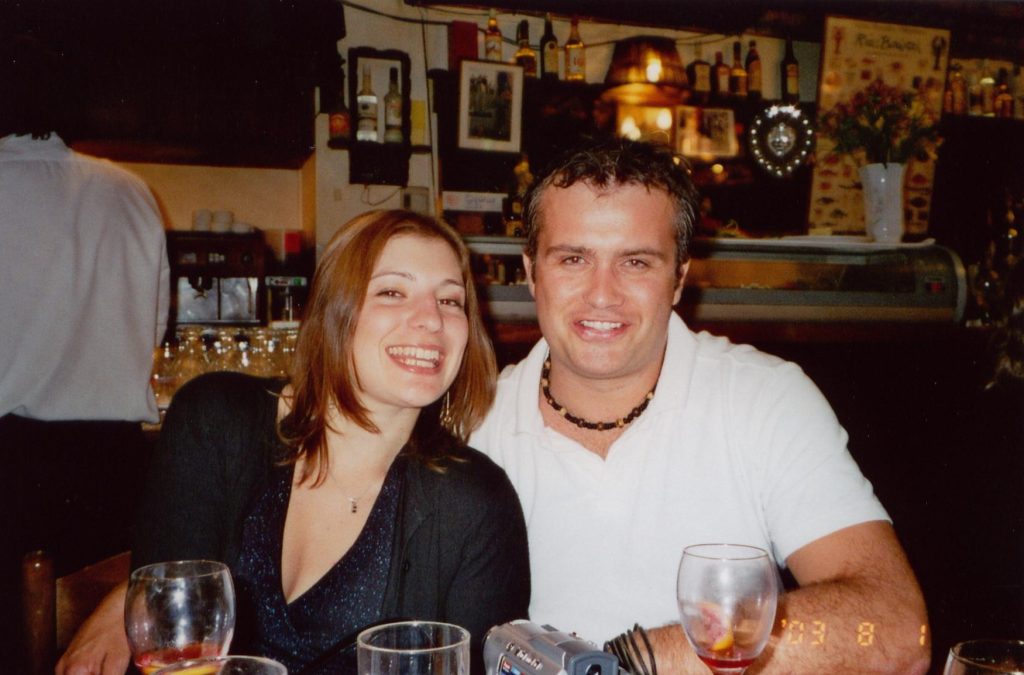
That morning, with Monique by my side and a journey that stretched further than my imagination could chart, I thought I was ready for anything. But readiness is a fiction we tell ourselves before the storm hits. You don’t know what you’re ready for until you’re standing at the edge of chaos, your plans unraveling like thread pulled too tight. I learned that lesson quickly on this trip—not when we were basking in the beauty of medieval towns or sipping wine by the Mediterranean, but in the moments when things fell apart.
When you’re lost on an empty road with fog thick enough to choke you and the hum of your van is the only sound anchoring you to reality, you start to strip away the excess. The parts of you that want control, that crave certainty, get peeled back layer by layer. What’s left is something raw and exposed, something that doesn’t have the luxury of pretending to be invincible.
I think that’s the real reason why people travel—not for the postcards or the stories to share over coffee when they return, but for the parts of themselves they didn’t know existed until the road revealed them. Travel strips you down to your core, leaving behind only what really matters. And what matters, I learned, isn’t the itinerary you obsessively planned or the image you project when everything is going smoothly. What matters is how you respond when nothing goes to plan.
When the border guard demanded American dollars and waved his pistol like a conductor orchestrating a symphony of fear, I felt the heat of my temper flare up. That old companion—anger—was ready to take the lead, to fight back against the injustice. But the road had already begun its work on me, whispering in its quiet, merciless way: This isn’t a fight you can win with fury.
I swallowed the anger. I made a choice. I would find the dollars, not because the guard deserved them, but because Monique was waiting for me, alone and trusting that I would come back. The road had reduced my world to one purpose—to get back to her, to the safety we had built together in that van. It didn’t matter how many kilometers lay ahead or how many stray dogs snapped at my heels. When you strip away everything else, love becomes both the compass and the fuel.
The road doesn’t change you by showing you the world—it changes you by showing you who you are when nothing goes to plan. And it’s ruthless about it. There’s no sympathy in the way it peels back the layers, no comfort in the way it exposes your weaknesses. But there is beauty in it, too. There’s beauty in the way it forces you to confront yourself and decide, again and again, whether you’ll break or bend.
I bent that day, and in bending, I didn’t break. When I finally returned to Monique, exhausted and triumphant with the crisp bills in hand, I realized something profound: the road hadn’t beaten me down. It had reshaped me, like a river carving a canyon, slow and relentless but with purpose.
I’ve come to believe that every journey is a conversation between the traveler and the road. The road asks questions you don’t want to answer—questions about fear, patience, love, and resilience. It doesn’t care about your comfort, but it does care about your growth. And if you’re brave enough to listen, to let it wear down the parts of you that resist change, it will leave you with something valuable: an understanding that you are capable of more than you ever thought possible.
Traveling isn’t about conquering landscapes or ticking destinations off a list. It’s about letting the world conquer you in the most beautiful way possible. It’s about walking through fog and fear and coming out the other side with a heart that beats stronger, not because the journey was easy, but because you faced it anyway.
As we drove past the Bulgarian border and into the unknown, I looked at Monique, her face illuminated by the last light of day. She was my anchor, but she was also the mirror the road had given me. Through her trust, her bravery, and her quiet strength, I saw my own resilience reflected back. And I knew, as surely as I knew the road ahead would be long and uncertain, that this journey had already changed me.
The road’s greatest lesson isn’t survival—it’s transformation. To be stripped of pretense, to face your fears, and to emerge not unscathed but reshaped. Because in the end, what matters isn’t how many obstacles you encounter, but who you become when you reach the other side.
And maybe, just maybe, that’s the destination we’re all looking for.
Through Fog and Fire - Now Available on Kindle

This story, with all its twists, reflections, and lessons, is part of a larger journey that I’ve shared in my Amazon Kindle book. If you enjoyed this glimpse into the road’s transformative power, you can experience the full adventure by grabbing your own copy of Through Fog and Fire.